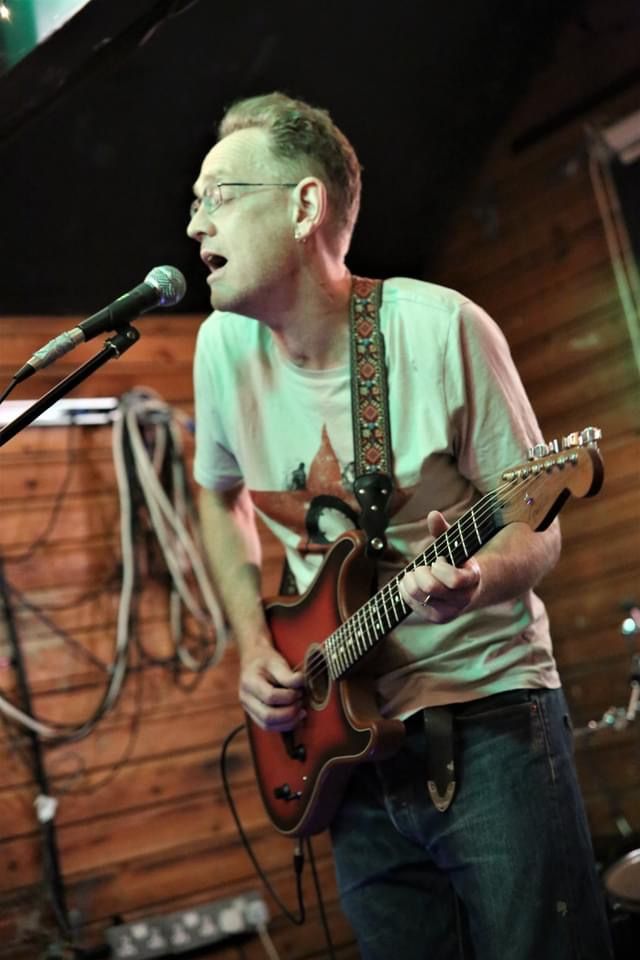
Diavolino by Steve Emmett, the new kid on the horror block, is a spectacular, horrific and devilish romp that has all the catastrophic ambition of a 2012 disaster movie and it doesn't let you down.
Architect Tom Lupton is brought to the island of Diavolino to design and oversee the building of Sir Roger's Playhouse only to find that the island is the doorway to Hell – but of course it is! Before he knows it Tom and his family are caught up in some seriously dark shenanigans. And we have it all, earthquakes, freak weather, monks that are orgiastically charged devils and a creature that munches on skulls like they are hard boiled sweets. It rollicks along. Moments of pause are nicely played with gentle evocative prose. The choreography of action and spectacle point perfect.
If there is criticism then it would be that some of the decisions made by the characters seem a little rushed and not earned – the narrative flies ahead like a Hollywood blockbuster and as a result characterisation is truncated. The result is that a couple of choices taken by the heroes could have been explored more to make them work – an almost ridiculous statement considering the sheer enormity of the horror at play, but for me psychological logic is important, it supports my suspension of disbelief. But this is a minor niggle, Diavolino's sense of scale is no holds barred and Emmett's play on form is top notch and knowing, he writes with a twinkle in his eye and it's the twinkle of a rough diamond.
Diavolino is a big budget opera of doom and damnation and a hoot to boot. Go get now.
Click on the more link and allow me to introduce you to the very stupendous Steve Emmett.
Xavier: Have you always written?
Steve: Not fiction, but I have always had to write in one way or another. One
of my problems as an estate agent was that I wrote property details
with a literary eye. Some people simply just didn't get it. To sell
property you have to forget what is good writing, forget proper
grammar. I always despised the term 'architectural features'; it makes
it sound like architecture is something applied with glue once the
stultifying edifice has been thrown up. I always wanted to write
fiction and dreamed of being a novelist.
Xavier: How do you filter back story through your work?
Steve: Revealing back story is one of the trickiest things to master. I find
that dialogue works well. If you have characters in conversation you
can slip back story in quite seamlessly. In any event, I think it's
something that has be reigned in. Too little and the story is over
enigmatic; too much and it's overwhelming.
Xavier: How long did it take to write Diavolino? And what inspired you?
Steve: From the first thought to publishing contract was twenty-two months
but that wasn't full-time working. Perhaps it represents fifteen or
sixteen months solid work. I didn't have a flash of inspiration where
I said, 'oh! that's it'. It kind of invaded my mind gradually. I was
living in Italy at the time and my office overlooked Lake Trasimeno
and the islands. I was beginning to have concerns about xenophobia.
And there is the old classic, being an atheist as a result of exposure
to catholicism as a child. I think I get my revenge by making the
Church evil.
Xavier: Diavolino's structure is tight and intricately woven, and it moves like a
film script: did you plan before you began writing or did you free form?
Steve: It's a total seat of the pants job. I set out to write a commercial
page turner, knowing that it would need stunning locations and action.
But it had to have a supernatural element, too, in order to satisfy my
own thirst for the dark. That is what guided me. Then I just followed
the characters, writing down the events as they happened, from time to
time playing god with them. In the end I think they did me proud.
Xavier: A key skill to Horror is the manipulation of the audience, to what extent
did you think about your readers as you were working?
Steve: I intended that Diavolino would be a success with the readers and
therefore I had their needs in mind all the way. As a horror fan
myself I think it was easier because, if I felt chilled or disturbed
by what I'd written, then it was likely they would. There were times
that I spooked myself so much that I had to stop writing and go join
my partner in the living room. You have to write for yourself in the
sense that you have to be sincere, but if you forget about your
readers they will soon abandon you.
Xavier: Did you consume a lot of horror fiction to help master the form?
Steve: I have consumed horror from an early age and I still can't get enough
of it. I have a garage filled with horror DVDs and enough books to
build a cottage with. An awful lot is rubbish or mediocre, but when I
find something really good it pleases me no end.
Xavier: Do you write everyday? Do you have a ritual?
Steve: Almost every day. Sometimes things will come along and prevent it but
without interruptions to my schedule I write seven days a week. I get
up at about 06.30, do the things one has to, then aim to be at my desk
by 09.00. I try to work until 17.00 with only minor breaks. The
evenings I don't work unless I really have to as I value the time with
my partner. Once you reach 50 years of age time takes on a new
urgency.
Xavier: What are you working on now? And how far off are you from completion?
Steve: I have a few things on the go. A sequel to Diavolino in the early
stages. A horror based on a very real but mysterious phenomenon that I
hope to finish by the autumn. An experimental horror that I am sworn
to secrecy about. I also write other stuff under a pen name but
obviously must keep silent on that!
Xavier: You are an actor, does acting inform your writing in any way?
Steve: It does in so far as it makes you look through the eyes of others,
lets you explore the work of others, but I have to say that everything
- even going to the supermarket – can provide fodder for my work.
Xavier: What are your thoughts on the e-pub revolution? Do you feel empowered by it?
Steve: It was going to happen and it has. I do feel that there is a lot of
snobbery in the traditional publishing world and the current
revolution should change that. I think we are in a state of flux right
now; prices are all over the place, quality control is difficult, the
main publishers seem shell shocked. I don't know if I feel empowered
by it actually. Part of me wishes it were the late 1800s and all I had
to do was write and let my London publisher sell my books in huge
quantities. With the opportunities of e-publishing comes a tsunami of
badly written books sold for pennies. We have to make sure we rise to
the top, but I never forget my uncle pointing out to sea at
Scarborough and telling me that it's the turds that float.
Xavier: What sort of material do you read?
Steve: Horror, thrillers, humour (but it has to be brilliant) and I'm always
delighted when someone hands me a literary novel they've enjoyed.
Xavier: What would you like the inscription on your tombstone to say? And if you had
to choose a statue to sit on it, what would it be?
Steve: Inscription: Gone sightseeing
Statue: The Chucky doll from Child's Play. Chukkie (not spelling) has
been my nickname for decades.
Go visit Steve's blog without delay.
Welcome to my online notebook. Here you can find out about all the things that I am up to - but way better than that, is that I post my works in progress. This includes stories, chapters from longer works and bits of film too. Let me know what you think.


Fascinating reading – thoughtful review and nice interview! Looking forward to seeing more from Steve Emmett. Sooner rather than later I hope.